Professional Tree Services: Enhance Your Landscape Through Professional Care and Maintenance
Skilled tree maintenance services serve a vital function in sustaining the wellness and attractiveness of exterior landscapes. Qualified tree specialists deliver essential maintenance, guaranteeing that trees flourish and enhance the surrounding property. Their expertise in assessing tree condition and implementing required interventions can avert possible problems. Comprehending the intricacies of tree care can result in a more thriving outdoor space. What distinct benefits result from employing these services, and how might they improve a property?
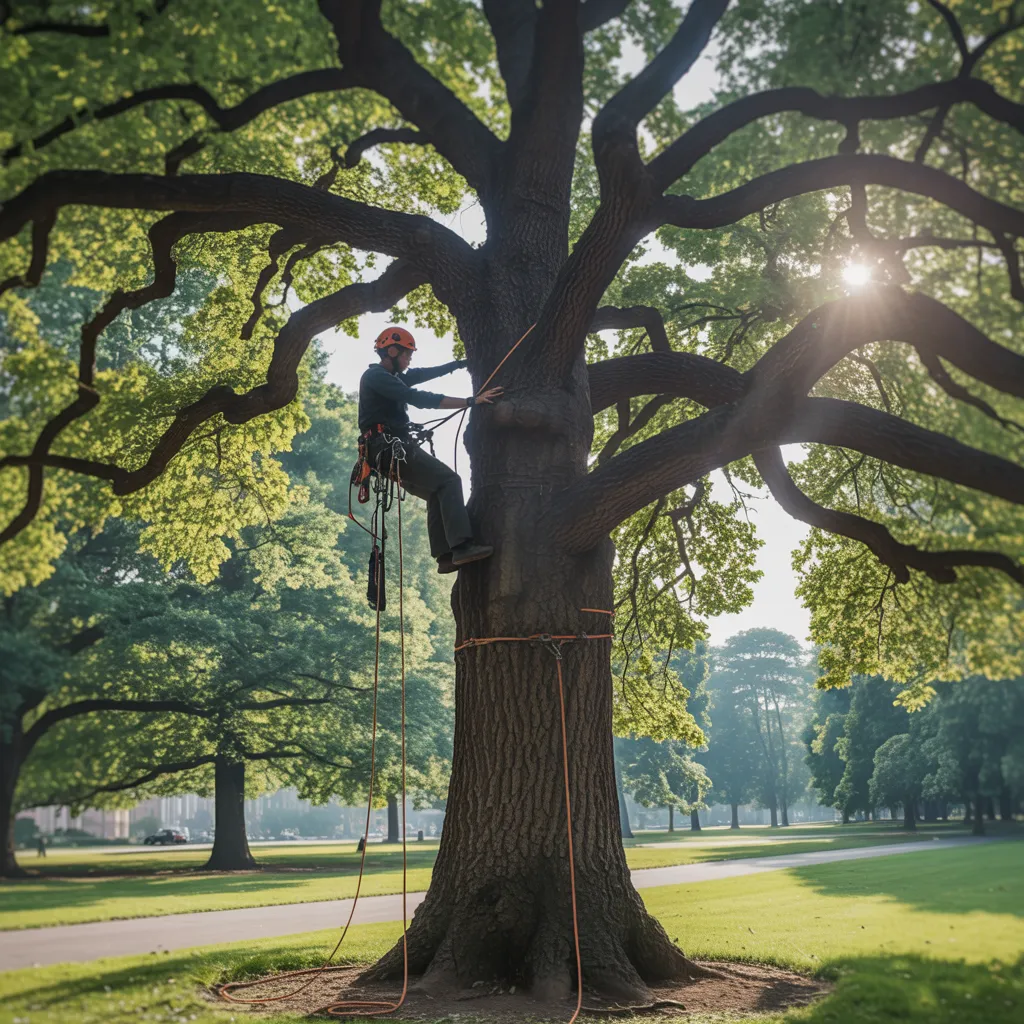
Comprehend the Significance of Certified Tree Care Services
Although several homeowners could underestimate the critical nature of professional tree services, their role in preserving the health and safety of trees is vital. Trees, while robust, necessitate expert care to avoid diseases, pests, and structural weaknesses that can pose risks to residential areas and individuals. Professional arborists have the knowledge and skills required to analyze tree conditions correctly, recognizing issues that may not be easily visible to the untrained eye.
Moreover, professional tree services help pinpoint appropriate pruning approaches, making sure trees grow in a manner that is safe and aesthetically pleasing. These experts grasp the local environment, selecting fitting species and care methods tailored to specific conditions. By engaging professional tree services, homeowners can ensure their trees grow successfully, contributing positively to the landscape while minimizing potential hazards. Ultimately, investing in professional tree care supports not simply the trees themselves, but the overall safety and beauty of the property.
Key Advantages of Scheduled Tree Care
Routine tree maintenance delivers significant gains, mainly through enhanced tree health and improved landscape aesthetics. By guaranteeing trees are trimmed and looked after, their vigor is maintained, which in turn results in a significantly more visually appealing environment. These benefits collectively foster a healthier ecosystem and boost property value.
Optimized Tree Condition
Regular tree maintenance significantly boosts the total health of trees, fostering their longevity and resilience against infections and pests. Consistent pruning removes dead or diseased branches, allowing trees to allocate resources more efficiently. This practice also improves air circulation and sunlight exposure, promoting robust growth. Regular inspections by professionals can detect potential concerns early, such as infestations or nutrient deficiencies, allowing timely intervention. Moreover, proper watering and mulching techniques encourage root development and soil health, further reinforcing the tree's immune system. By investing in continuous tree care, property owners can guarantee their trees remain vibrant and strong, successfully reducing the likelihood of severe health problems that could lead to costly removals or replacements in the future.
Enhanced Landscape Appeal
How can regular tree maintenance transform the visual appeal of a landscape? By making certain that trees remain thriving and well-shaped, regular maintenance elevates the overall aesthetics of outdoor spaces. Pruning eliminates dead or overgrown branches, allowing trees to flourish and maintain an attractive silhouette. This not only betters the trees' appearance but also creates a balanced and harmonious landscape. Moreover, the strategic placement of trees can provide shade and create focal points, drawing the eye and improving the environment. Professional tree services offer expertise in selecting the right species and maintaining them, ensuring that they complement the surrounding flora. In the end, consistent care leads to lush, thriving landscapes that elevate property value and provide a stunning backdrop for any setting.
Critical Examinations and Services for Tree Vitality
Sustaining tree health demands thorough assessments and focused treatments, as even minor issues can escalate into major problems if left unaddressed. Professional arborists perform comprehensive evaluations to identify signs of disease, pest infestations, or nutrient deficiencies. These assessments often involve evaluating bark, leaves, and root systems to determine the overall vitality of the tree.
After issues are discovered, suitable treatments are implemented. This may encompass the application of fertilizers to tackle nutrient deficiencies, fungicides to fight diseases, or insecticides to eliminate pests. In some cases, more specialized techniques such as soil aeration or root zone management are employed to encourage healthier growth.
Routine monitoring and follow-up assessments confirm that treatments are effective and that the tree continues to flourish. By emphasizing these essential evaluations and interventions, tree owners can substantially boost the longevity and resilience of their landscape's arboreal assets.
How Tree Pruning Enhances Landscape Aesthetics and Health
Pruning trees not only fosters their wellness but also amplifies the visual attractiveness of gardens. Through strategic trimming, dead or diseased branches are removed, allowing for better air circulation and sunlight penetration. This practice encourages robust expansion, creating dense, flourishing vegetation that enhances a beautiful surrounding.
Furthermore, pruning shapes trees, maintaining their natural form and increasing their symmetry, which is vital for landscape design. Carefully pruned trees can create focal points, steering the viewer's eye through the garden and adding depth to the overall scenery.
In addition, regular pruning can avoid overcrowding, making sure that each tree has sufficient space to grow alongside other plants. This balance creates a harmonious landscape, where each element coexists beautifully. By engaging in professional tree pruning, property owners not only maintain their trees' health but also substantially enhance the visual charm of their outdoor spaces.
When to Think About Tree Removal?
Tree removal may become necessary when disease symptoms are visible, as this can endanger the health of nearby plants. Additionally, structural stability concerns, such as damaged or leaning tree trunks, represent safety dangers to individuals and buildings. Moreover, trees that grow too close to structures can create possible damage, making their removal a wise decision.
Signs of Medical Conditions
A healthy landscape relies on the vigor of its trees, making it essential to recognize the warning signs of disease that may suggest the need for removal. Tree owners should be attentive for symptoms such as yellowing or drooping leaves, which may indicate underlying health issues. Additionally, unusual growths like fungi or cankers on the bark can suggest infections that compromise the tree's structural strength. The presence of pests, such as borers or scales, often leads to significant deterioration if left untreated. Abrupt leaf loss or dieback in branches can further signal severe stress or illness. If multiple warning signs appear, it may be time to seek out a professional arborist to assess the situation and determine whether removal is the most wise course of action.
Structural Instability Issues
When assessing the health of a landscape, structural instability in trees can pose significant risks that may justify removal. Evidence of instability include visible lean, extensive root damage, or trunk cracks, which can compromise the tree's ability to withstand environmental stresses. If a tree exhibits a significant lean towards structures or related article high-traffic areas, the risk of failure increases, especially during storms or high winds. Additionally, trees with hollow trunks or extensive decay may not support their weight sufficiently, further elevating the hazard. Property owners should evaluate these factors carefully, as failing to address structural instability can lead to property damage or personal injury. Consulting with a certified arborist can provide essential insights into whether removal is the safest option.
Distance from Structures
Proximity to structures can markedly influence the decision to remove a tree, especially when there is structural weakness. Trees located near houses, walkways, or power lines pose significant dangers, as their roots can damage foundations and their branches may disrupt overhead lines. In addition, if a tree is inclined toward a structure or displaying indicators of deterioration, removal becomes a practical measure. The potential for damage during inclement weather or gale-force winds further adds complexity to the decision-making process. Homeowners need to consult tree care professionals to evaluate the circumstances, comparing the tree's health against its proximity to important buildings. Ultimately, proactive measures can avoid costly repairs and ensure the safety of the landscape and surrounding property.
Why Choosing Professional Tree Services Makes Sense
Choosing professional tree services ensures that essential components of tree care are addressed with professionalism and precision. Specialists possess in-depth knowledge and experience, ensuring that trees receive the appropriate care adapted to their specific needs. They are equipped with advanced tools and techniques that foster healthy growth, minimize risks, and improve the overall appearance of the landscape.
Additionally, professional tree services focus on safety, mitigating the hazards connected to tree maintenance. Skilled professionals can successfully spot and address prospective concerns, such as disease or structural deficiencies, avoiding costly damages to property. They also observe local regulations and environmental practices, making certain that tree care is performed responsibly.
In addition, employing expert services preserves time and effort for property owners, allowing them to relish their outdoor spaces without the burden of tree maintenance. In general, opting for professional tree services cultivates a healthier, more attractive landscape while ensuring peace of mind.
Readying Your Landscape for Seasonal Transitions With Professional Care
As seasonal transitions occur, landscape preparation for upcoming changes becomes crucial for maintaining its health and beauty. Professional tree services play a vital role in this preparation, delivering expert care customized to regional weather patterns. In autumn, for instance, these experts can conduct tree pruning to clear away compromised or dead wood, decreasing dangers when winter storms arrive. They also suggest mulching to safeguard roots against frost and to retain soil moisture.
In spring, professional care includes evaluating tree health, recognizing pests, and providing treatments to foster growth. Moreover, they can advise homeowners on the most suitable planting times for seasonal flowers and shrubs.
Frequently Asked Questions
How Should I Choose a Reliable Tree Service Company?
To choose the right tree service company, one should evaluate credentials, seek customer feedback, compare pricing, verify insurance, and assess the range of services provided, ensuring they select a reputable and knowledgeable provider for their needs.
What Credentials Should Tree Care Professionals Possess?
Tree service professionals ought to maintain qualifications like ISA Arborist Certification, TCIA Accreditation, and locally mandated licenses. Such credentials showcase proficiency in tree care, safety practices, and compliance with industry standards, delivering reliable and knowledgeable service.
Will Homeowners Insurance Pay for Tree Services?
Tree services might be included in homeowners insurance coverage, depending on the policy and circumstances, including damage from storms or fallen trees. Homeowners need to check their insurance policy to grasp coverage requirements and limitations.
How Long Does Tree Maintenance Typically Take?
Arboricultural work typically demands between 1 to multiple hours, depending on the size and number of trees, as well as the scope of work needed. Periodic inspections can improve both time and effectiveness in maintenance activities.
Are Tree Services Able to Assist With Pest Control?
Certainly, tree services can aid in pest control by detecting infestations, suggesting treatments, and applying preventive measures. Their specialized skills ensure trees remain robust and pest-resistant, supporting overall landscape vitality and appearance.